Trek's Digital Revolution: Crafting Bikes with Adobe Substance 3D
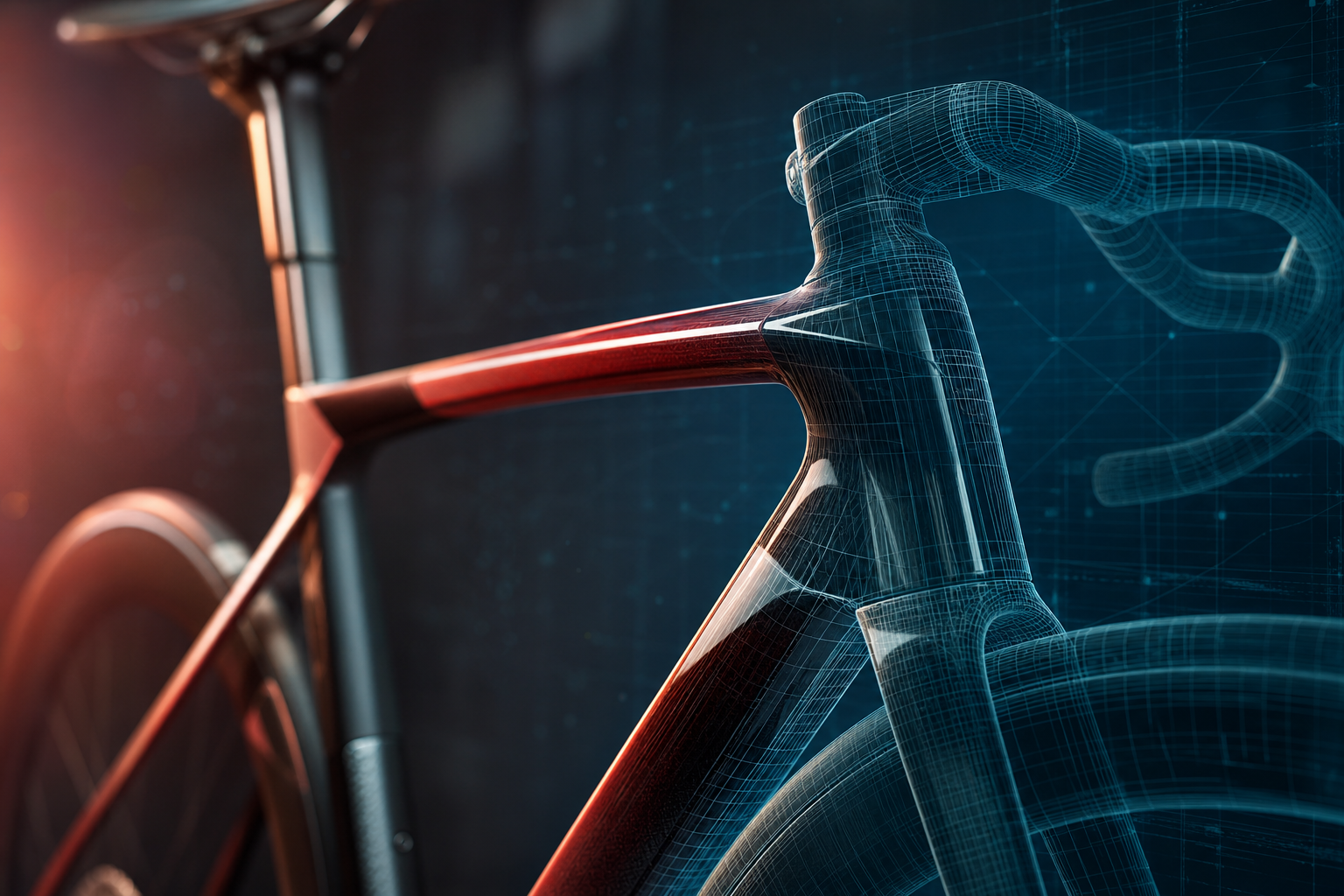
Trek Bicycles is revolutionizing its design and manufacturing process with Adobe Substance 3D, creating intricate digital twins of their high-performance bikes. This innovative approach enhances efficiency and precision from concept to production.
By Rollan Bañez · July 19, 2026 · 8 min read
In the fiercely competitive world of high-performance cycling, precision, innovation, and speed to market are paramount. Manufacturers constantly seek an edge, not just in engineering, but in how their products are conceived, iterated, and presented. This quest for efficiency and excellence is transforming traditional design workflows.
Today, leading companies like Trek Bicycles are embracing cutting-edge digital tools to redefine their creative processes. Their adoption of technologies like digital twins, powered by Adobe Substance 3D, represents a significant leap forward, offering invaluable lessons for educators and creative professionals alike.
The Rise of Digital Twins in Product Design
The concept of a 'digital twin' has moved beyond science fiction, becoming a critical component in modern product development. It refers to a virtual replica of a physical object, system, or process that serves as a living model throughout its lifecycle.
For designers, these digital counterparts offer unprecedented opportunities. They allow for detailed visualization, material simulation, and performance testing long before any physical prototype is built. This reduces costs and accelerates design cycles considerably.
Trek's Vision: Beyond Traditional Prototyping
Trek Bicycles, a global leader in cycling products, faced challenges common to any hardware manufacturer. Iterating designs through physical prototypes was expensive, time-consuming, and environmentally intensive. They needed a more agile and sustainable approach.
Their solution involved integrating advanced 3D design and texturing software to create hyper-realistic digital versions of their bikes. This strategic pivot allowed designers to explore hundreds of variations and finishes with incredible speed and accuracy.
How Adobe Substance 3D Powers Trek's Innovation
Trek's designers utilize the Adobe Substance 3D suite to build these sophisticated digital twins. This powerful collection of tools provides everything needed to create, texture, and render 3D assets with photorealistic detail.
- Substance Painter: Used for texturing, allowing designers to apply realistic materials like carbon fiber, metals, and paints directly onto their 3D models. They can simulate how light interacts with different surfaces.
- Substance Designer: Enables the creation of parametric materials, offering unparalleled control over patterns, textures, and finishes. This means endless variations can be generated from a single base material.
- Substance Stager: Provides a virtual studio environment for setting up scenes, lighting, and rendering the final photorealistic images and animations. This is crucial for marketing and design reviews.
The synergy between these tools allows Trek to achieve a level of visual fidelity that closely mimics real-world products. This realism is essential for making informed design decisions and effectively communicating concepts.
Real-World Impact: Efficiency and Creative Freedom
The adoption of Adobe Substance 3D has transformed several aspects of Trek's design and manufacturing pipeline. The benefits extend far beyond just aesthetics.
Firstly, the ability to rapidly iterate on designs in a virtual space drastically cuts down development time. Designers can experiment with new geometries, colorways, and material applications without the waiting period for physical samples.
Secondly, it empowers creative exploration. Designers are no longer constrained by the practical limitations and costs of physical prototyping. They can push boundaries and test unconventional ideas with greater ease, fostering genuine innovation.
Thirdly, these digital twins act as a common language across departments. Marketing teams can generate high-quality visuals for product launches much earlier. Engineers can use the detailed 3D models for manufacturing specifications.
Expert Perspective: The Future of Creative Education
The success story of Trek using Adobe Substance 3D offers valuable insights for educators. Integrating such industry-standard tools into curricula is no longer optional; it's a necessity for preparing students for modern creative careers.
"Understanding 3D pipelines, especially those leveraging parametric design and physically based rendering, is crucial for the next generation of designers," notes Dr. Elara Vance, a leading expert in digital manufacturing. "Companies are looking for talent that can navigate these complex digital ecosystems."
Creative Nation Academy actively champions educator upskilling in these areas. We believe that by empowering teachers with knowledge of tools like Adobe Substance 3D, we can bridge the gap between academic learning and industry demands. This prepares students for real-world projects and advanced manufacturing processes.
Key Takeaways for Educators & Creatives
The Trek story illustrates powerful trends in design and engineering that educators should consider:
- Digital twins are becoming standard: Proficiency in creating and utilizing digital twins is an increasingly vital skill across industries.
- Adobe Substance 3D is an industry powerhouse: Its capabilities for material creation and realistic rendering are unmatched, making it a critical tool for product visualization.
- Accelerated innovation: Digital workflows enable faster iteration, cost reduction, and greater creative freedom in product development.
- Cross-functional collaboration: High-fidelity 3D assets serve as universal communication tools across design, engineering, and marketing teams.
- Demand for specialized skills: Companies seek graduates knowledgeable in 3D design, PBR (Physically Based Rendering), and digital asset management.
Shaping Tomorrow's Designers and Engineers
Trek's journey with Adobe Substance 3D is more than just a case study in efficient bike design; it’s a blueprint for the future of product development. It underscores the transformative power of digital tools in bringing ideas to life with unprecedented realism and speed. For educators, this means an imperative to evolve curricula, focusing on practical skills in digital fabrication, 3D modeling, and advanced visualization techniques.
As technology continues to merge the digital and physical realms, the ability to create and manipulate detailed digital twins will only grow in importance. Equipping students with these skills through programs like those offered by Creative Nation Academy will ensure they are not just ready, but leading the charge in the next wave of creative and industrial innovation. Explore our upcoming workshops to deepen your understanding of these transformative tools.
Frequently asked questions
- What is a digital twin in the context of product design?
- A digital twin is a virtual, high-fidelity replica of a physical product or system. It allows designers to simulate, analyze, and modify aspects of a product in a virtual environment before physical production, saving time and resources.
- How does Adobe Substance 3D help companies like Trek create digital twins?
- Adobe Substance 3D provides tools like Substance Painter for texturing, Substance Designer for creating parametric materials, and Substance Stager for rendering. These tools combine to allow artists to create highly realistic 3D models with intricate material details, essential for accurate digital twins.
- What are the main benefits of using digital twins in manufacturing?
- Primary benefits include accelerated design cycles, reduced prototyping costs, enhanced creative freedom for designers, improved cross-departmental communication, and the ability to detect and resolve design flaws earlier, leading to higher quality products.
- Why is it important for educators to teach Adobe Substance 3D?
- Teaching Adobe Substance 3D prepares students for in-demand careers in industries embracing advanced 3D design and digital manufacturing. It equips them with the skills to create realistic visuals, understand modern production pipelines, and contribute to innovative product development.