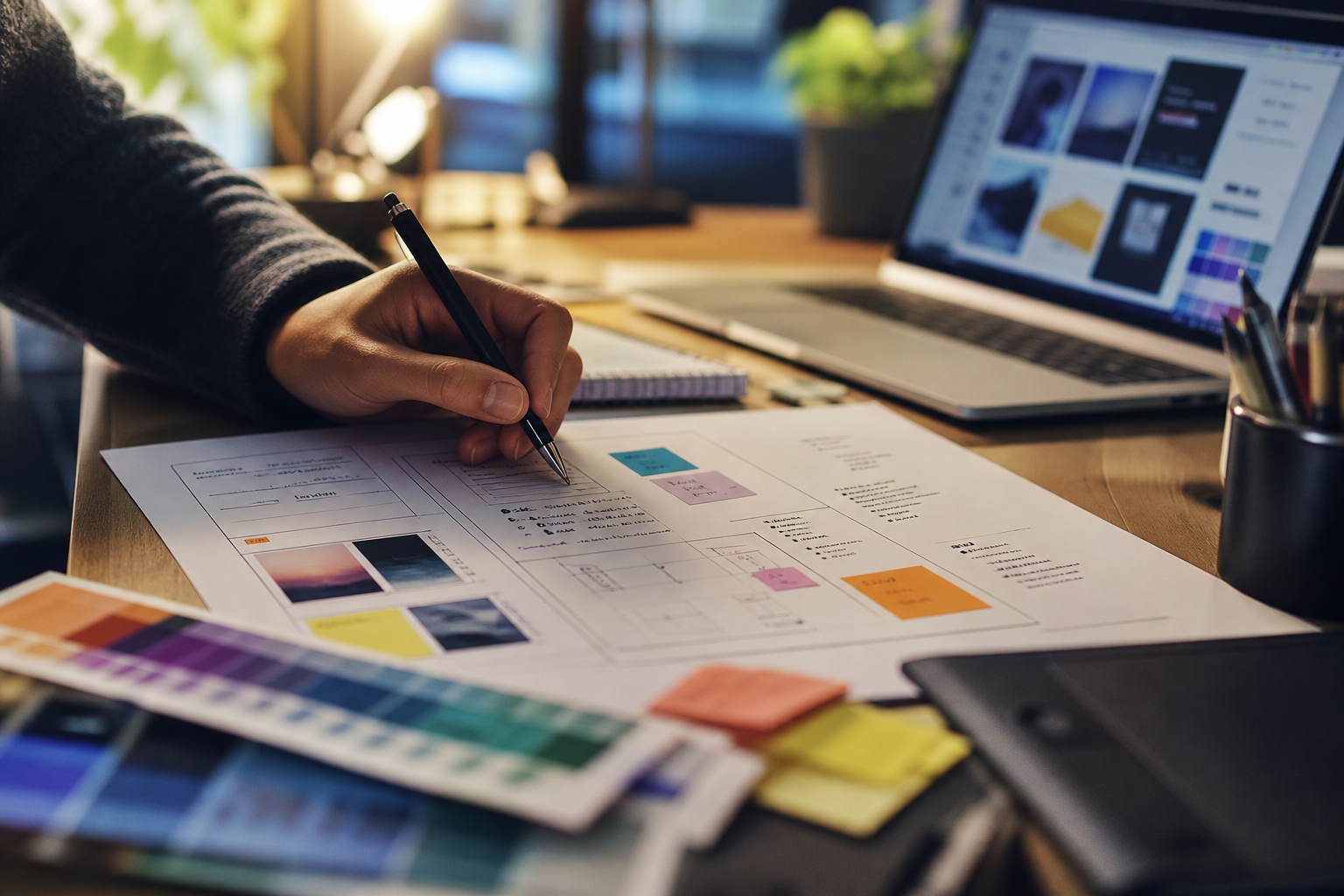
Unlock Your Creative Power: Designer Secrets to Unshakeable Confidence
Discover how professional designers cultivate unwavering creative confidence, offering actionable strategies to transform your design process and career.
By Rollan Bañez · August 31, 2026 · 8 min read
In the dynamic world of design, talent alone isn't enough. Many creatives, from aspiring students to seasoned professionals, grapple with self-doubt, often questioning their abilities to generate truly impactful work. This challenge, often termed a lack of creative confidence, can stifle innovation and hinder career growth.
Yet, successful working designers consistently deliver groundbreaking projects. What's their secret? It’s not just innate genius, but a cultivated mindset and a set of practical strategies. Understanding these lessons is crucial now more than ever, as the pace of design and technology accelerates.
At Creative Nation Academy, we believe in empowering every creative to realize their full potential. This article dives deep into the practices and perspectives of professional designers, revealing how they build and sustain the confidence needed to thrive in a competitive landscape.
What is Creative Confidence? A Foundation for Design Excellence
Creative confidence is the belief in your ability to generate ideas, solve problems creatively, and navigate the iterative process of design without fear of failure. It’s not about being fearless, but about having the resilience to push through setbacks and learn from them.
For beginners, this concept can feel abstract. It's the assurance that you can approach any design challenge, knowing you possess the tools and mindset to find a solution. This self-assurance is developed through practice, reflection, and exposure to diverse perspectives.
Developing creative confidence empowers you to take risks, experiment, and ultimately create more innovative and effective designs. It’s a cornerstone of effective design thinking and a vital asset in any creative career.
The Role of Design Thinking in Building Confidence
Design Thinking provides a structured yet flexible framework that inherently fosters creative confidence. It breaks down complex problems into manageable stages: Empathize, Define, Ideate, Prototype, and Test. This systematic approach reduces ambiguity and provides a clear path forward.
By emphasizing empathy, designers gain a deeper understanding of user needs, leading to more informed decisions. The iterative nature of prototyping and testing encourages experimentation and views failures as learning opportunities, diminishing the fear of getting it wrong.
This methodology cultivates a problem-solving mindset, teaching designers to systematically approach challenges rather than relying solely on spontaneous inspiration. Embracing this process builds a foundation of competence and capability.
Lessons from the Front Lines: How Designers Cultivate Confidence
Working designers aren't immune to self-doubt, but they employ specific strategies to overcome it. These lessons are applicable across various disciplines, from graphic design to UX/UI and even AI-driven creative projects.
Embrace Iteration, Not Perfection
One of the most profound shifts in mindset for designers is moving away from the pursuit of initial perfection. Professional designers understand that great work emerges from a series of evolving drafts and refinements, not a single flawless output.
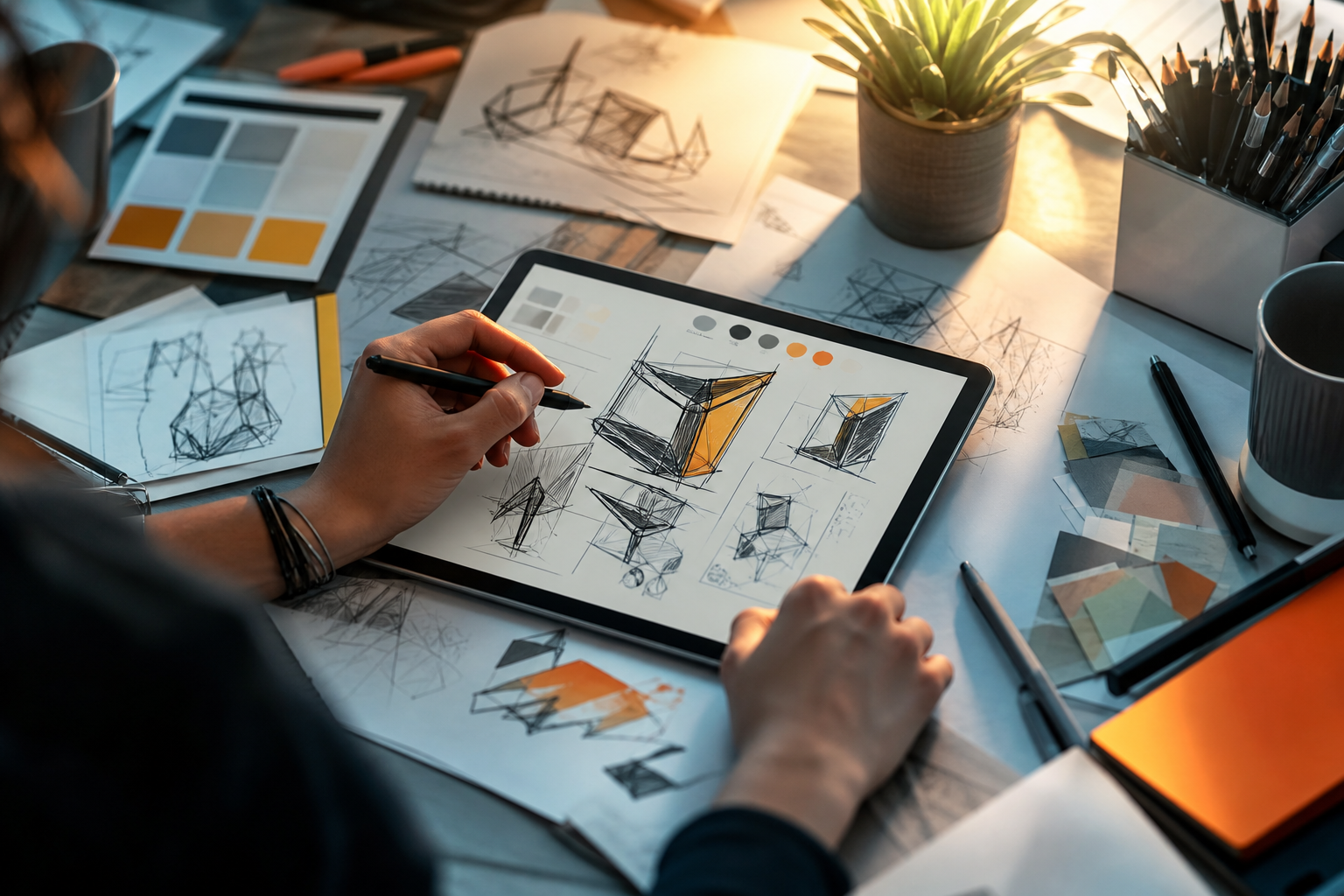
The first idea is rarely the best. Designers are taught to sketch, prototype, and test early and often. This iterative cycle, fueled by continuous feedback, allows for gradual improvement and reduces the pressure associated with a "big reveal."
- Start with low-fidelity prototypes to explore concepts rapidly.
- Gather feedback at every stage, viewing it as constructive input, not criticism.
- Be willing to discard ideas that aren't working, even if you’ve invested time.
- Focus on progress and learning rather than achieving an immediate, perfect solution.
Seek and Synthesize Feedback Systematically
Feedback is a goldmine for growth, but only when sought and processed effectively. Designers actively solicit diverse perspectives, recognizing that external viewpoints reveal blind spots and enhance the final product.
They differentiate between subjective opinions and actionable insights. Learning to synthesize feedback means understanding the underlying user needs or project goals, rather than just implementing every suggestion literally. This skill refines designs and builds a designer's interpretive judgment.
Mastering Tools and Techniques
Proficiency with industry-standard tools like Adobe Creative Cloud significantly boosts confidence. When designers are fluent in software such as Photoshop, Illustrator, or Figma, they can translate their ideas into tangible outputs more effectively.
Creative Nation Academy’s Adobe Certified Professional (ACP) programs are designed to instill this technical mastery. A strong command of your toolkit empowers you to experiment freely and execute complex visions, reducing frustration and increasing creative flow.
Build a Portfolio of Solved Problems
A designer’s portfolio isn't just a collection of pretty pictures; it's a testament to their problem-solving abilities. Showcasing projects where you identified a challenge and delivered a successful solution reinforces your capabilities.
Documenting the entire design process—from initial research and ideation to final execution and impact—demonstrates your strategic thinking. This evidence-based approach to showcasing work objectively validates your skills and boosts intrinsic confidence.
Connect with a Creative Community
Isolation can breed self-doubt. Engaging with peers, mentors, and the broader design community provides invaluable support and perspective. Sharing work, discussing challenges, and receiving encouragement are vital for maintaining motivation.
Joining design forums, attending industry events, or participating in workshops fosters a sense of belonging. This communal aspect reminds designers that creative struggles are universal and that collaboration often leads to stronger outcomes.
The Impact of Creative Confidence on Careers and Innovation
A strong sense of creative confidence has tangible effects on a designer's career trajectory and the broader impact of their work. Confident designers are more likely to:
- Take initiative: They propose innovative solutions and lead projects.
- Adapt to change: They embrace new technologies and methodologies, like AI for creatives, without apprehension.
- Communicate effectively: They articulate their design decisions with conviction, influencing stakeholders.
- Resilience in the face of setbacks: They view challenges as opportunities to learn and refine their approach.
- Drive real-world impact: Their ability to iterate and present bold ideas often leads to groundbreaking products and services.
For individuals, this translates into more fulfilling roles and greater recognition. For organizations, it means a more innovative and agile design team capable of delivering exceptional value.
Key Takeaways for Building Your Creative Confidence
Cultivating creative confidence is an ongoing journey, but these core principles from working designers can provide a solid foundation:
- Embrace iteration and prototyping as essential steps, not signs of imperfection.
- Actively seek and skillfully synthesize feedback to refine your work and understanding.
- Master your tools and techniques to translate ideas into reality with precision.
- Build a portfolio that highlights your problem-solving process and impact.
- Engage with a supportive creative community to share, learn, and grow.
Conclusion: Your Creative Journey Starts Now
Building creative confidence is not an overnight transformation; it's a continuous practice of learning, doing, and reflecting. By adopting the mindsets and methodologies of successful working designers, you can dismantle self-doubt and unlock your full creative potential.
Embrace the iterative process, leverage the power of feedback, and commit to mastering your craft. At Creative Nation Academy, we are dedicated to providing the resources, training, and community to support you on this journey. Start exploring our educator upskilling or custom training options today to empower your creative future.
Frequently asked questions
- What is creative confidence and why is it important for designers?
- Creative confidence is the belief in one's ability to generate ideas, solve problems creatively, and navigate the design process without fear. It's crucial because it enables designers to take risks, innovate, learn from failure, and ultimately produce more impactful and effective work.
- How can I improve my creative confidence if I'm a beginner?
- Beginners can improve creative confidence by embracing iterative design, starting with small projects, actively seeking constructive feedback, practicing regularly with design tools, and learning design thinking frameworks. Focusing on the process rather than just the final outcome is key.
- What role does feedback play in building creative confidence?
- Feedback is vital for building creative confidence as it provides external perspectives, helps identify areas for improvement, and validates effective solutions. Learning to synthesize feedback constructively—understanding its underlying intent—transforms it into a powerful growth tool rather than a source of doubt.
- Are there specific skills or tools that boost a designer's confidence?
- Yes, mastering industry-standard tools like the Adobe Creative Cloud suite (e.g., Photoshop, Illustrator, InDesign) significantly boosts confidence. Strong foundational skills in design principles, typography, and visual communication, coupled with methodologies like Design Thinking, also empower designers to execute their visions effectively.