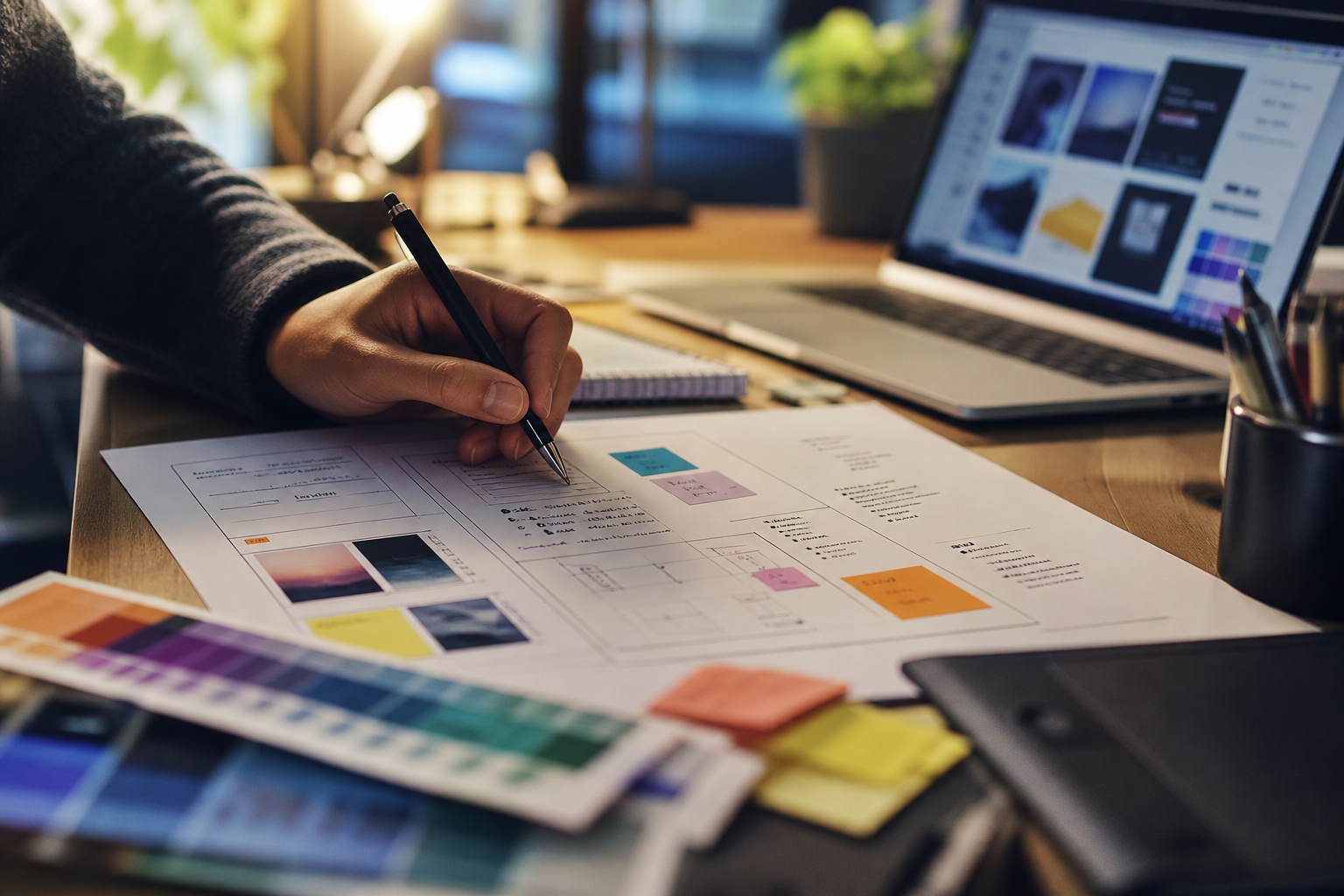
Stop Chasing Perfection: Why Iteration is Your Design Superpower
In the fast-paced design world, waiting for perfection is a losing game. Learn how embracing iteration allows designers to ship faster, gather feedback, and create truly impactful work.
By Rollan Bañez · August 26, 2026 · 7 min read
In the whirlwind world of design, the pressure to deliver groundbreaking, flawless work is immense. Many creatives find themselves caught in a relentless pursuit of perfection, meticulously refining every pixel and agonizing over every detail. This often leads to missed deadlines and creative burnout.
However, a fundamental shift in mindset is transforming how leading designers operate. They’re abandoning the elusive quest for perfection in favor of a powerful, practical approach: iteration. This strategy allows them to ship faster, learn continuously, and ultimately create more impactful work.
The Perfection Trap: Why It Slows You Down
The desire for perfection is deeply ingrained in many creative professionals. It stems from a commendable drive for excellence, but in a dynamic environment, it can become a significant impediment. This approach often leads to excessive time spent on minor details.
Designers may spend weeks, or even months, polishing a concept before it ever sees the light of day. This extended development cycle delays critical user feedback and risks creating a product that doesn't fully meet market needs. The upfront investment in a single, unvalidated solution is a high-risk strategy.
The Cost of Waiting for Flawless
- Delayed Feedback Loops: Without early versions, valuable user insights are postponed.
- Increased Risk of Failure: A perfect-on-paper design might fail in real-world application.
- Missed Market Opportunities: Competitors can launch and adapt faster.
- Creative Burnout: Endless refinement without external validation can be exhausting.
- Scope Creep: Constant tweaks can expand project requirements beyond original limits.
Embracing Iteration: The Designer's Superpower
Iteration is the process of repeating a design cycle, gradually refining a product or feature based on feedback and new insights. It’s about building, testing, learning, and repeating. This cyclical approach is a cornerstone of design thinking and agile methodologies.
Instead of aiming for a single perfect solution, designers create multiple versions, each incrementally better than the last. This allows for continuous improvement and adaptation. The goal is not perfection in a single step, but rather progress through a series of thoughtful modifications.
Key Principles of Iterative Design
- Start Small and Simple: Begin with a minimal viable product (MVP) or a basic prototype.
- Gather Feedback Early and Often: Expose designs to users and stakeholders as soon as possible.
- Fail Fast, Learn Faster: Identify flaws or inefficiencies quickly to avoid costly long-term mistakes.
- Adapt and Evolve: Be prepared to pivot or significantly alter concepts based on findings.
- Communicate Constantly: Keep teams and stakeholders informed of progress and changes.
How Designers Ship Faster with Iteration
The core benefit of iteration is accelerated delivery without sacrificing quality. By breaking down complex projects into smaller, manageable chunks, designers can move quickly from concept to testable prototype. This approach aligns perfectly with modern development cycles.
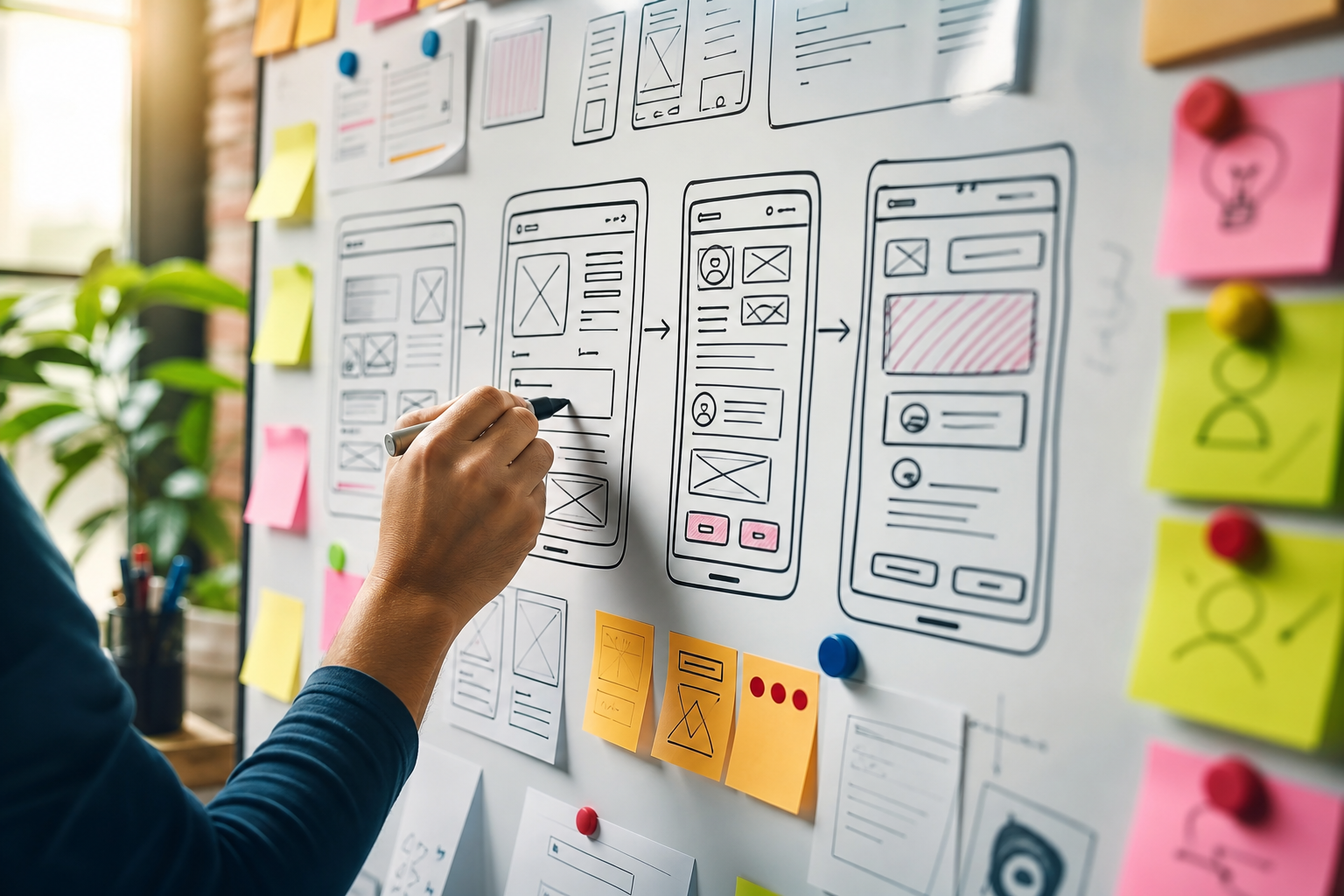
Consider the difference: a perfectionist might spend weeks on a high-fidelity mock-up that is never validated. An iterative designer creates a low-fidelity wireframe, tests it, gathers feedback, and then refines it into a mid-fidelity prototype within the same timeframe, already having valuable data.
Practical Strategies for Iterative Workflows
Successful design iteration relies on specific tools and methodologies. Understanding these can dramatically improve a team's efficiency and output. These strategies promote collaboration and continuous improvement.
1. Rapid Prototyping and Wireframing
Tools like Adobe XD, Figma, and Sketch enable designers to quickly translate ideas into interactive prototypes. These aren't meant to be pixel-perfect final products, but rather functional representations that can be tested and reviewed. The speed of creation allows for multiple design iteration cycles.
Focus on functionality and user flow over intricate visual details in the early stages. This saves significant time and effort. Designers can explore numerous design variations without heavy investment.
2. User Testing and Feedback Integration
The linchpin of iteration is honest, unbiased user feedback. Conduct usability tests with target users as early as possible. Even informal feedback sessions can provide invaluable insights into a design's strengths and weaknesses.
Actively listen to feedback, categorize it, and prioritize changes. Not every piece of feedback needs to be implemented, but all of it should be considered. This data-driven approach steers the creative process effectively.
3. Agile Sprints and Lean Design Principles
Many design teams adopt agile methodologies, working in short, focused sprints (typically 1-2 weeks). Each sprint aims to produce a shippable increment of the product, which is then reviewed and refined in the next sprint. This continuous delivery model is crucial.
Lean design principles further support iteration by emphasizing value, eliminating waste, and continuous learning. It encourages designers to build only what's necessary to learn, fostering a culture of efficiency and rapid adjustment.
4. Version Control and Collaboration Tools
Managing multiple design iterations requires robust version control. Platforms like Git (for code), or built-in version history in design tools, ensure that no work is lost and that teams can revert to previous states if needed. This is essential for tracking progress.
Collaboration tools facilitate seamless teamwork. Shared design files, commenting features, and real-time co-editing allow teams to work concurrently and provide immediate feedback, speeding up the overall design workflow and reducing communication overhead.
Real-World Impact: Shaping Industries
The shift from perfection to iteration has profoundly impacted industries, from tech startups to established enterprises. Companies known for their innovation, like Google and Amazon, are master practitioners of iterative design and development. They constantly release updates, test new features, and refine their offerings based on user data.
This approach allows them to stay competitive and responsive to market demands. Products are no longer monolithic releases; they are living, evolving entities. Designers using this method consistently deliver superior user experiences and drive business growth.
Key Takeaways
- Iteration prioritizes progress and learning over elusive perfection in design.
- Early and continuous user feedback is critical for successful design iteration.
- Rapid prototyping and agile methodologies accelerate the design process.
- Embracing failure as a learning opportunity fuels faster improvement.
- Designers who iterate consistently ship higher-quality products faster.
The Future of Design: Continuous Evolution
As technology advances and user expectations evolve, the pace of design will only accelerate. The ability to iterate quickly, adapt to new information, and integrate feedback seamlessly will become non-negotiable for designers. This skill set is increasingly valued by employers.
For those looking to master these modern design practices, continuous learning is essential. Creative Nation Academy offers a range of courses, including Adobe Certified Professional programs and workshops on AI for creatives, that equip designers with the tools and mindsets needed to thrive in this iterative future. Embrace the journey of continuous improvement, and you'll not only ship faster but also design with greater purpose and impact.
Frequently asked questions
- What is the main difference between iterative design and traditional design?
- Traditional design often aims for a single, perfect solution upfront, leading to lengthy development cycles before user feedback. Iterative design, conversely, involves building, testing, and refining a product in repeated cycles based on continuous feedback, prioritizing progress over initial perfection.
- Why is user feedback so important in iterative design?
- User feedback is crucial because it validates design decisions and uncovers usability issues or unmet needs early in the process. Integrating this feedback ensures that each subsequent iteration brings the design closer to what users truly need and desire, saving time and resources in the long run.
- How can I start implementing iterative design in my projects?
- Begin by breaking down your project into smaller, manageable parts. Start with low-fidelity prototypes, gather quick feedback from a small group of users, and make small, incremental changes based on their input. Repeat this cycle, gradually increasing fidelity and scope.
- Does iterative design mean sacrificing quality for speed?
- No, quite the opposite. While it emphasizes speed in getting concepts out for testing, iterative design enhances quality by integrating real-world feedback throughout the process. This leads to more robust, user-centric, and ultimately higher-quality products than those developed in isolation seeking 'perfection'.